
Shalom Education
Menu
Enquire now
뉴질랜드 학교 수업을 표현한 AI 생성 안내 이미지

PRIMARY & SECONDARY EDUCATION

School study in New Zealand

From schooling with a parent or homestay to long-term study. We guide schools and daily life to suit your child.

Explore school programmes
Illustrative programme image
01 / WHY NEW ZEALAND?

Why choose school study
in New Zealand?

English lessons are the starting point. School life in New Zealand can offer opportunities to think independently, explore new areas and learn with different people. Discover six aspects below.

02 FIND YOUR STRENGTHS

Discovering interests and strengths

Alongside core subjects, students can explore art, design and technology, music and sport. Discovering what they enjoy and do well can inform later subject and career choices.

Core subjects · Arts · Technology · Sport
03 LEARN BEYOND CLASSROOMS

Learning beyond the classroom

Schools may connect learning with nature visits, field trips, outdoor education and sport. Students can broaden their experience by observing and trying what they have studied.

Field trips · Outdoor education · Practical experiences
04 GROW WITH OTHERS

Communicating across cultures

Students learn with classmates from different backgrounds and can join group activities and school events. English becomes a way to share ideas and manage daily life, as well as a subject.

Friendships · Collaboration · Everyday communication
05 INTERNATIONAL STUDENT CARE

Standards for international student wellbeing

Schools enrolling international students must follow New Zealand's Code of Practice. Schools have duties relating to wellbeing, safety and accommodation; specific staff and support arrangements should be checked with each school.

Student wellbeing · Accommodation standards · School support

Teaching, subjects, outdoor activities, international support and qualifications vary by school and year. Check what each school actually offers before choosing.

The New Zealand school system

Schooling runs from Year 1 to Year 13; the year levels offered vary by school.

PRIMARYYear 1–6

Primary education

Age in New Zealand Approximately 5–10

Traditional Korean counting age Approximately 6–12

Approximate Korean school stage Kindergarten to primary Year 4

INTERMEDIATEYear 7–8

Intermediate education

Age in New Zealand Approximately 11–12

Traditional Korean counting age Approximately 12–14

Approximate Korean school stage Primary Years 5–6

COLLEGEYear 9–13

Secondary education

Age in New Zealand Approximately 13–18

Traditional Korean counting age Approximately 14–20

Approximate Korean school stage Middle school Year 1 to high school Year 3

Korean ages and school stages are approximate comparisons only. Traditional Korean counting age differs from official age and may be one or two years higher depending on birthdays. Korea starts its school year in March; New Zealand usually starts in January or February, so year levels cannot be directly converted. Some primary schools run to Year 8. Actual placement depends on age, prior schooling and the school's decision. National secondary qualification changes are scheduled to begin in stages from 2028so check the current requirements for the year your child will enter.

02 / STUDY OPTIONS

Three school study options

Compare staying with a parent, living in homestay and planning longer-term schooling.

부모와 자녀가 학교와 주변 지역을 함께 살펴보는 안내 일러스트
01 / FAMILY SCHOOLING

Schooling with a parent

Check each school's availability for a preferred 2–4 week stay

Children attend local classes while parents explore accommodation, travel to school and nearby amenities.

accommodation
Family homestay · Short-term furnished accommodation · Serviced apartments
Local preparation
Enrolment enquiries, family accommodation guidance and first-day preparation
Schooling with a parent Enquire
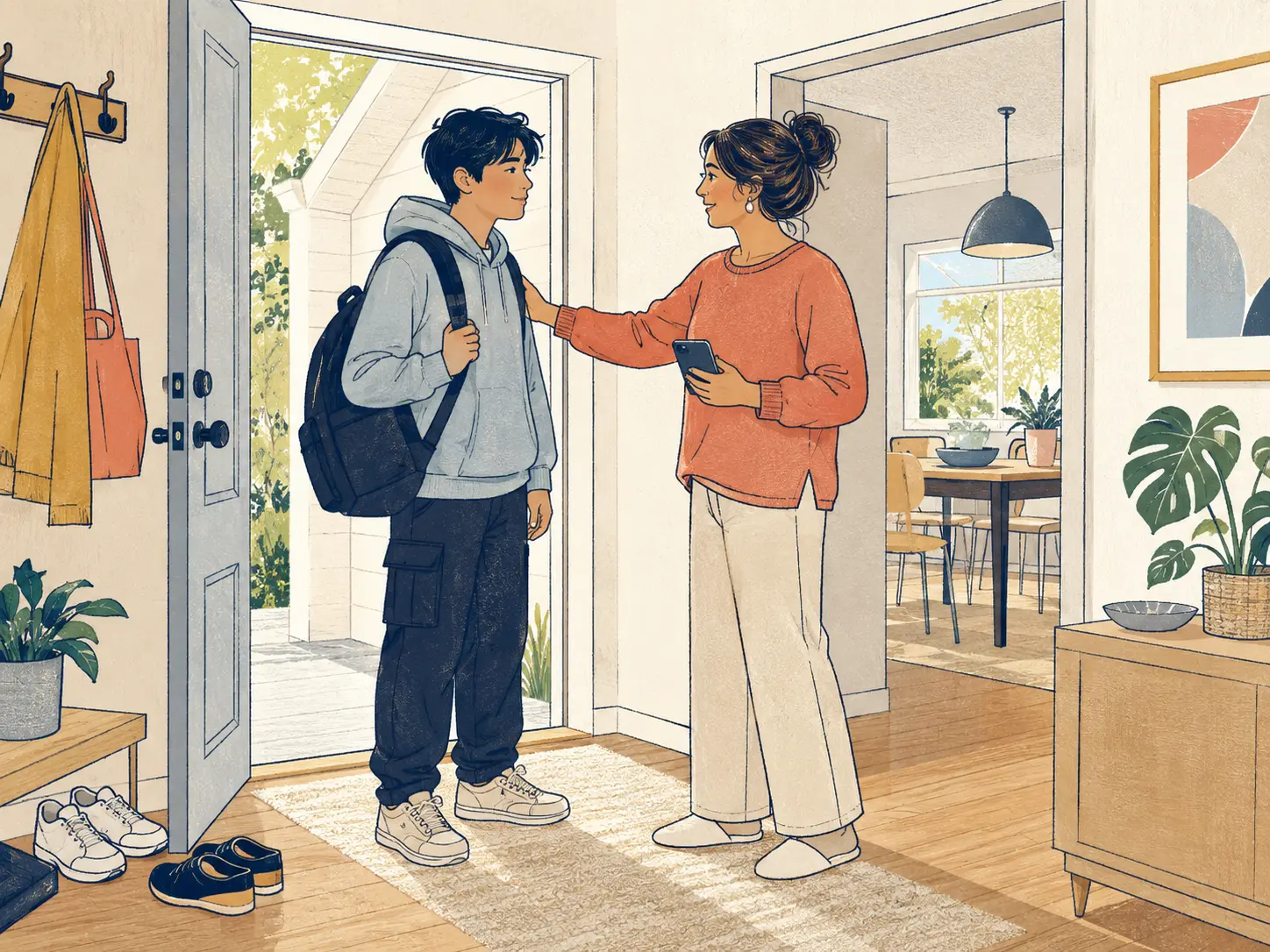
홈스테이에서 학교로 출발하는 학생 안내 일러스트
02 / HOMESTAY SCHOOLING

Schooling with homestay

Check preferred dates for 2–4 weeks or a semester

Students live with a homestay family and attend a local school. Shalom checks school and accommodation enquiries locally and communicates with parents.

accommodation
Homestay suitable for the school and student's age
Local preparation
Homestay preparation, first-day guidance and local living checks
Schooling with homestay Enquire
뉴질랜드 학교 수업을 표현한 AI 생성 안내 이미지
03 / REGULAR SCHOOL STUDY

Long-term school study

From a semester through to graduation

Find a school suited to the student's year level, English and preferred subjects, and check its university pathways such as NCEA or IB.

accommodation
Student homestay or accommodation with a parent
Local preparation
School and subject selection, applications and school–accommodation liaison
Long-term school study Enquire

Schooling with a parent and schooling with homestay describe living arrangements, and either may also be used for long-term study. Two to four weeks is an example of a preferred duration; not every school accepts short stays. Confirm actual start dates and minimum duration with the school.

04 / SCHOOL TERMS 2027

New Zealand 2027
school calendar

Official Ministry of Education dates for New Zealand state and state-integrated schools. Use term and holiday dates to plan a preferred study period.

New Zealand 2027 school term and holiday dates
TermTeaching periodFollowing holiday
Term 1Starts between 28 January and 3 February – 9 April10 April – 26 April
Term 227 April – 2 July3 July – 18 July
Term 319 July – 24 September25 September – 10 October
Term 411 October – no later than 17 DecemberSummer holiday begins after each school's final day
05 / HOW IT WORKS

From school application
to the first day

See what to confirm during consultation and how enrolment preparation progresses.

01

Review student information

Confirm age, year level, English, preferred duration and subjects.

02

Check school places

Confirm minimum duration, places, year levels and start dates with official school contacts.

03

Prepare accommodation and travel

Arrange student homestay or family accommodation and guide transport, insurance and visa preparation.

04

Support the first school day

Explain first-day travel and orientation and support communication about daily life.

05

Discuss next steps

If students wish to extend or continue long-term, check school and progression requirements.

Check before applying

Some schools do not accept short stays. For minors, check insurance, visas, accommodation and guardian requirements with the school and relevant authorities.

Ministry of Education guidance ↗

06 / STUDY CONSULTATION

Schools, dates & accommodation
Enquire

Tell us the student's age, year level, preferred dates and duration. We will check suitable schools and accommodation together.

Discuss school study ↗
PHONE
+64 21 765 917
KAKAO TALK
nzjamesda
EMAIL
consult@shalomedu.co.nz